

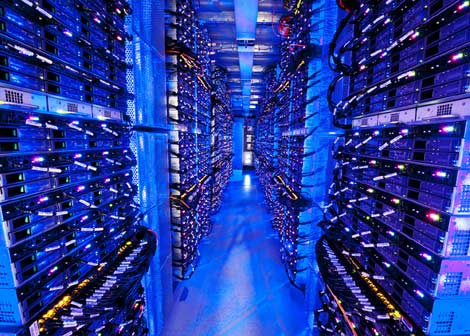
Cloud computing has already transformed how businesses operate, scale, and innovate. What began as a cost-saving alternative to on-premise infrastructure has evolved into the backbone of digital transformation. As technology advances, the future of cloud computing is set to become more intelligent, decentralized, and deeply integrated into everyday operations.
From Centralized to Distributed Cloud Models
Traditional cloud models rely on centralized data centers, but future architectures are moving toward more distributed systems.
This shift is driven by:
- Demand for faster data processing
- Reduced latency for real-time applications
- Regulatory requirements for data localization
Distributed and edge-based cloud models bring computing power closer to users, improving performance and reliability.
Hybrid and Multi-Cloud Strategies Become the Norm
Organizations are increasingly adopting hybrid and multi-cloud environments to avoid vendor lock-in and improve resilience.
Key advantages include:
- Greater flexibility across workloads
- Improved disaster recovery and redundancy
- Optimized cost management
- Ability to match workloads with the best-performing platforms
Future cloud strategies will focus less on choosing a single provider and more on orchestrating multiple environments seamlessly.
Artificial Intelligence and Automation in the Cloud
The cloud is becoming smarter through automation and artificial intelligence. These technologies simplify management while improving efficiency.
AI-driven cloud capabilities include:
- Automated resource allocation
- Predictive system maintenance
- Intelligent workload optimization
- Advanced data analytics at scale
As automation improves, cloud environments will require less manual intervention while delivering higher performance.
Edge Computing and Real-Time Processing
Edge computing is emerging as a critical extension of cloud infrastructure. By processing data closer to where it is generated, organizations can support real-time applications more effectively.
Common use cases include:
- Internet of Things (IoT) devices
- Smart cities and infrastructure
- Autonomous systems
- Real-time analytics and monitoring
Edge and cloud technologies will work together rather than compete, forming a unified ecosystem.
Security and Privacy Take Center Stage
As cloud adoption grows, so do concerns around security, compliance, and data privacy. The future of cloud computing places a strong emphasis on built-in security rather than reactive protection.
Key security trends include:
- Zero-trust security models
- Continuous monitoring and threat detection
- Stronger encryption and identity management
- Compliance automation across regions
Security will become a core design principle rather than an afterthought.
Sustainability and Green Cloud Initiatives
Environmental responsibility is becoming a major priority for cloud providers and users alike. Energy-efficient infrastructure and sustainable operations are shaping future cloud investments.
Sustainability efforts focus on:
- Energy-efficient data centers
- Use of renewable energy sources
- Optimized resource utilization
- Carbon footprint tracking and reporting
Cloud computing is expected to play a key role in reducing the environmental impact of large-scale IT operations.
Cloud-Native Development Accelerates Innovation
Modern applications are increasingly built specifically for the cloud rather than adapted to it. Cloud-native development enables faster innovation and scalability.
Cloud-native benefits include:
- Microservices-based architectures
- Faster deployment cycles
- Improved resilience and scalability
- Better alignment with DevOps practices
This approach allows businesses to respond quickly to market changes.
The Business Impact of Future Cloud Technologies
As cloud capabilities expand, their influence on business strategy will deepen. Organizations will use cloud platforms not just for infrastructure, but as engines for innovation.
Future-ready businesses will:
- Build more agile operations
- Leverage real-time data insights
- Scale globally with fewer barriers
- Innovate faster with lower risk
Cloud computing will continue to be a strategic differentiator.
Frequently Asked Questions (FAQs)
1. How will cloud computing change in the next decade?
Cloud computing will become more decentralized, intelligent, and integrated with edge computing and AI-driven automation.
2. What is the difference between hybrid and multi-cloud?
Hybrid cloud combines on-premise and cloud environments, while multi-cloud uses services from multiple cloud providers.
3. Will cloud computing replace traditional IT infrastructure?
Not entirely. Many organizations will use a combination of cloud, edge, and on-premise systems depending on their needs.
4. Is cloud computing becoming more secure?
Yes, security is improving through zero-trust models, advanced encryption, and continuous monitoring technologies.
5. How does edge computing relate to the cloud?
Edge computing complements the cloud by handling data processing closer to the source, reducing latency and bandwidth usage.
6. Can cloud computing support sustainability goals?
Yes, efficient cloud infrastructure can reduce energy consumption and support greener IT practices.
7. What skills will be important for future cloud professionals?
Skills in cloud architecture, security, automation, data analytics, and cloud-native development will be in high demand.
Comments are closed.