

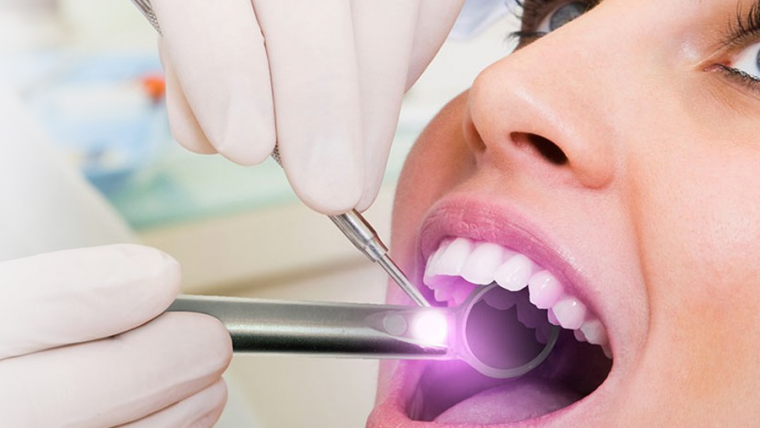
Smile symmetry is not about achieving mathematical perfection. It is about balance between the teeth, gums, lips and facial features so that no single element distracts from the whole.
Facial symmetry plays a significant role in how we perceive attractiveness and health. However, very few people have perfectly aligned features. The human face naturally contains minor asymmetries, and these are usually unnoticeable until highlighted by uneven tooth shape, gum display, or jaw positioning. A slightly tilted midline, one tooth that appears shorter than its neighbour, or uneven gum contours can make a smile feel “off” even when the teeth are healthy.
In clinical practice, improving symmetry involves careful analysis rather than guesswork. Dentists assess facial proportions, lip movement, the curve of the smile line, and how the upper and lower teeth meet. Digital photography and smile design software are often used to evaluate how small changes could influence overall harmony.
For those researching treatment options, searching for a cosmetic dentist London residents trust is often the first step towards understanding what is realistically achievable. However, symmetry is rarely addressed with a single treatment. It is usually the result of combining orthodontics, restorative dentistry, and minor gum adjustments in a carefully staged plan.
According to cosmetic dentist Dr. Sahil Patel of MaryleboneSmileClinic.co.uk, address: 66 Harley St, London W1G 7HD, 02071268526, “Patients often assume symmetry means making every tooth identical. In reality, we aim for proportional balance that complements the individual’s face. Even subtle refinements can change how light reflects off the teeth and how the lips frame the smile. Anyone considering treatment should review before-and-after examples.”
This perspective underlines an important principle: symmetry is personalised. What works for one patient may not suit another, particularly in a diverse city such as London where facial features vary widely. The following eight approaches outline how smile symmetry can be improved in practical, evidence-based ways.
Orthodontic Alignment and Midline Correction
One of the most common causes of smile asymmetry is tooth misalignment. Crowding, spacing, and rotated teeth can distort the visual balance of the upper arch. Even when teeth appear generally straight, a midline that does not align with the centre of the face can create a subtle but noticeable imbalance.
Orthodontic treatment remains one of the most predictable methods for correcting these issues. Modern systems, including clear aligners and discreet fixed appliances, are popular among adults in London who want minimal disruption to their daily routines. These treatments gradually reposition teeth to improve symmetry across the arch while also enhancing bite function.
Midline correction deserves particular attention. Ideally, the centre line between the two upper front teeth aligns with the facial midline. When it deviates significantly, the smile can appear skewed in photographs and conversation. Through careful planning, orthodontic adjustments can shift teeth incrementally into a more balanced position.
It is important to note that not every slight deviation requires correction. In many cases, minor asymmetries are unnoticeable to others. A thorough consultation helps determine whether treatment would provide a meaningful aesthetic improvement or whether the perceived imbalance is within normal variation.
Orthodontics also contributes to symmetry by levelling the incisal edges of the front teeth. Uneven wear, previous dental work, or natural eruption patterns can result in one tooth appearing longer or shorter than its neighbour. Realigning these teeth ensures a smoother smile arc that follows the curve of the lower lip.
For adults concerned about professional appearance, contemporary orthodontics offers a discreet path towards improved balance without compromising comfort or social confidence.
Composite Bonding for Subtle Shape Refinement
Composite bonding is a minimally invasive technique frequently used to fine-tune smile symmetry. It involves applying tooth-coloured resin to reshape, lengthen or widen specific teeth. In London practices, it has become increasingly popular due to its conservative nature and relatively quick results.
Small differences in tooth width can create disproportion. For example, if one lateral incisor is noticeably narrower than the other, the smile may look uneven. By adding a carefully sculpted layer of composite material, the dentist can restore proportional balance without removing significant enamel.
Bonding is also effective in correcting chipped edges, minor rotations, and triangular gaps near the gum line. Because the material is layered and shaped directly on the tooth, the clinician has significant control over contour and texture. This level of detail is essential when aiming for natural-looking symmetry.
Another advantage is reversibility. Unlike more extensive treatments, composite bonding can often be adjusted or replaced in future without major impact on the underlying tooth structure. This makes it appealing for patients who want improvement but prefer a less permanent solution.
However, achieving a symmetrical result requires an artistic eye and precise colour matching. The translucency and surface polish must reflect light evenly across both sides of the smile. When executed well, composite bonding can dramatically improve balance while preserving the individuality of the patient’s features.
Porcelain Veneers for Comprehensive Rebalancing
When asymmetry involves multiple teeth or more pronounced discrepancies in shape and size, porcelain veneers may offer a more comprehensive solution. Veneers are thin ceramic shells bonded to the front surfaces of teeth to modify colour, contour and proportion simultaneously.
In cases where one side of the smile shows worn or irregular teeth, veneers can restore consistent length and width across the visible arch. They are particularly useful when natural enamel differences are too significant to correct with bonding alone.
Smile symmetry often depends on how the upper front teeth relate to one another. Central incisors should mirror each other in shape and length, while lateral incisors and canines should taper proportionally. Veneers allow for precise calibration of these relationships, ensuring harmony rather than uniformity.
Digital smile design has enhanced this process. Dentists can simulate proposed changes and create temporary mock-ups, enabling patients to preview adjustments before committing to final restorations. This planning stage reduces uncertainty and ensures that symmetry aligns with the patient’s expectations.
Although veneers are more invasive than bonding, modern techniques aim to preserve as much natural enamel as possible. The goal is not to create identical “Hollywood” teeth, but to correct imbalances that disrupt facial harmony. When carefully designed, veneers can achieve a refined, symmetrical smile that still looks authentic.
Gum Contouring and the Importance of the Gingival Frame
Teeth do not exist in isolation. The gums form the frame of the smile, and uneven gum levels can significantly affect perceived symmetry. If one central incisor appears shorter because of excess gum tissue, the imbalance may stem from soft tissue rather than the tooth itself.
Gum contouring, sometimes performed with laser technology, reshapes the gingival margins to create a more balanced outline. By exposing slightly more enamel on one side, the clinician can align the heights of corresponding teeth without altering their structure.
This approach is particularly beneficial for patients with a “gummy” smile on one side or uneven gum architecture following orthodontic treatment. Careful measurement ensures that adjustments respect biological limits and maintain periodontal health.
In some cases, crown lengthening may be required to address deeper discrepancies involving both gum tissue and underlying bone. Such procedures are planned conservatively, focusing on long-term stability as well as aesthetics.
The gingival zenith, or highest point of the gum line on each tooth, also influences symmetry. Ideally, these points follow a gentle curve across the upper front teeth. Even small variations can draw the eye. By refining these contours, dentists can enhance overall balance without extensive restorative work.
Gum contouring illustrates that symmetry is not solely about teeth. The interplay between pink and white tissues determines how cohesive the smile appears in everyday interactions.
Bite Adjustment and Functional Harmony
Symmetry extends beyond what is visible at rest. The way the upper and lower teeth meet during speech and chewing affects both appearance and comfort. An uneven bite can cause one side of the smile to dominate or create wear patterns that distort symmetry over time.
Occlusal analysis evaluates how teeth contact when the jaw closes. If certain teeth bear excessive force, they may wear down faster, altering their length and shape. Gradual changes can lead to noticeable asymmetry, particularly in the front teeth.
Bite adjustment may involve selective polishing of high spots, orthodontic refinement, or restorative treatment to rebuild worn areas. In more complex cases, splints or aligners are used to stabilise the jaw before aesthetic improvements are undertaken.
Temporomandibular joint issues can also influence facial symmetry. Chronic clenching or grinding may cause muscle enlargement on one side, subtly affecting facial contours. Addressing these functional concerns supports more predictable aesthetic outcomes.
In many instances, patients seeking cosmetic improvements discover that functional correction is a necessary first step. A balanced bite protects restorations and ensures that symmetry is maintained long term. Without this foundation, even well-designed veneers or bonding may fail prematurely.
By integrating functional assessment into cosmetic planning, practitioners provide a comprehensive approach that prioritises health alongside appearance.
Whitening, Maintenance and the Psychology of Perception
Colour uniformity plays a surprising role in perceived symmetry. Even if teeth are well aligned, variations in shade between one side and the other can create imbalance. Professional whitening treatments help standardise colour across the arch, making shape discrepancies less noticeable.
Discolouration often affects certain teeth more than others due to previous trauma, root canal treatment, or differing enamel thickness. Targeted whitening or internal bleaching may be required to achieve consistent brightness.
Maintenance is equally important. Staining from coffee, tea and red wine can accumulate unevenly, particularly if brushing technique favours one side. Regular hygiene visits and tailored advice reduce this risk and preserve symmetry achieved through treatment.
Psychological perception also influences how symmetry is judged. Research shows that observers focus primarily on the central incisors. Minor asymmetries in the back teeth rarely attract attention. Therefore, treatment planning concentrates on the most visible areas, avoiding unnecessary intervention elsewhere.
For many London patients, improving smile symmetry is as much about confidence as appearance. Feeling that the smile is balanced can reduce self-consciousness in meetings, social events and photographs. The aim is not to erase individuality, but to remove distractions that undermine self-assurance.
Ultimately, achieving and maintaining smile symmetry requires a considered blend of orthodontic precision, restorative artistry and preventive care. By addressing alignment, shape, gum contours, bite function and colour in a coordinated manner, clinicians can create balanced results that withstand everyday demands. Those exploring options should seek comprehensive assessment and clear explanations of benefits and limitations. With realistic expectations and personalised planning, a more harmonious smile is an achievable goal in modern London dentistry.
Comments are closed.