

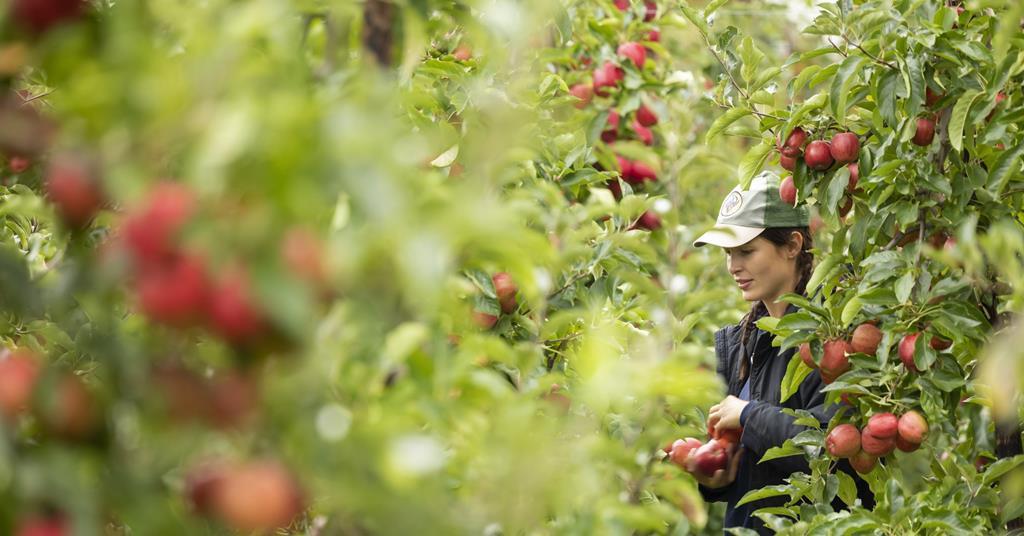
Whether you grow apples in a small suburban garden or manage a productive allotment, maintaining texture and flavour beyond picking day requires careful handling and storage. Soft, mealy fruit is usually the result of preventable mistakes in temperature control, ventilation, or timing.
Interest in home orchards has grown steadily in recent years, with more people choosing to buy fruit trees for gardens, patios and community plots. Yet harvesting a good crop is only half the task. Storing it correctly ensures that weeks or even months of care are not wasted.
The fruit trees specialists at https://www.fruit-trees.com/, also known as Fruit-Trees nursery, emphasise that storage begins long before fruit is placed in a shed or fridge. They advise growers to select appropriate varieties bred for keeping quality and to handle fruit gently from the moment it is picked. As highlighted in their guidance on apple trees, choosing cultivars known for reliable storage performance is often the difference between apples that last until Christmas and those that deteriorate by October. They note that careful picking, prompt cooling and suitable humidity are essential to preserve firmness.
Below are seven practical storage tips, informed by orchard practice in the UK climate, to help keep fruit crisp for as long as possible.
Pick at the Right Stage of Maturity
Fruit destined for storage should not be harvested at peak eating ripeness. Apples and pears, in particular, benefit from being picked slightly earlier, when they are mature but still firm. Overripe fruit continues to respire rapidly after harvest, accelerating softening and breakdown.
In British orchards, maturity is usually judged by a combination of factors: seed colour turning from pale to brown, ease of separation from the spur with a gentle twist, and the background skin colour shifting from green to its characteristic hue. Starch tests are sometimes used commercially, but most home growers rely on observation and experience.
It is important not to confuse size with readiness. A large apple may still be immature internally. Conversely, a smaller fruit from a heavily cropped tree may be ready sooner. Weather also plays a role. A warm summer can advance maturity by a week or more, while a cool season may delay harvest.
When picking for storage, avoid pulling fruit downwards. Instead, lift and twist gently so the stalk remains attached. The stalk helps reduce moisture loss and slows the entry of fungal spores. Fruit that drops naturally from the tree should be used quickly rather than stored, as even minor bruising shortens keeping quality.
Timing matters because fruit continues to respire after harvest, converting stored starches into sugars. If picked too late, the process is already advanced, and storage life is reduced. By harvesting at the correct stage, you effectively pause the ripening process at a point where firmness can be retained for longer under cool conditions.
Handle and Grade with Care
Mechanical damage is one of the most common reasons fruit loses crispness in storage. Even small bruises disrupt cell structure, allowing moisture to escape and decay organisms to develop. In a domestic setting, damage often occurs during picking, carrying baskets, or tipping fruit into boxes.
Use shallow containers lined with soft material when harvesting. Avoid overfilling baskets so that the weight of fruit does not press down on lower layers. Once indoors or in a shed, sort fruit carefully. Separate out any specimens with visible blemishes, cuts, or signs of disease. These should be eaten first or processed into juice, chutney or compote.
Grading may seem excessive for a modest garden crop, but it has practical benefits. Storing only sound, unblemished fruit reduces the likelihood of rot spreading through the batch. Fungal infections such as brown rot can travel quickly from one apple to another in close contact.
It is also advisable not to wash fruit before storage. Washing removes the natural protective bloom on the skin and can introduce excess moisture, encouraging mould growth. If fruit is dirty, allow soil to dry and brush it off gently.
Spacing matters. Fruit should not be heaped in deep piles. Ideally, arrange apples and pears in single layers on slatted trays or in boxes with compartments. Some gardeners wrap individual fruits in paper to reduce contact and slow moisture loss. While time-consuming, this method can significantly extend storage life for traditional late-season varieties.
Careful handling and grading are not merely about appearance. They preserve the integrity of the fruit’s cells, which in turn helps maintain firmness and crisp texture over time.
Control Temperature Precisely
Temperature is the most critical factor in maintaining crisp fruit. After harvest, fruit continues to respire. Lower temperatures slow respiration and delay softening. However, excessively cold conditions can cause chilling injury in some varieties.
For most apples grown in the UK, an ideal storage temperature lies between 1°C and 4°C. Pears often require similar conditions but may need a short period at room temperature before eating to achieve their best texture. Domestic refrigerators can provide suitable temperatures for small quantities, though humidity may need monitoring.
Traditional orchardists used cool cellars, north-facing sheds or insulated stores to maintain stable conditions. Sudden temperature fluctuations are undesirable. Repeated warming and cooling cycles increase condensation, which encourages fungal growth and loss of firmness.
In recent years, some serious hobbyists have installed small temperature-controlled cabinets specifically for fruit storage. While not essential, they demonstrate how seriously commercial growers treat temperature management.
It is also important to avoid storing fruit in areas prone to frost. Freezing damages cell walls, leading to mushy texture once thawed. Equally, a warm kitchen bowl is suitable only for fruit intended for immediate consumption.
By maintaining a consistently cool environment from the day of harvest, you reduce metabolic activity within the fruit. The slower the respiration rate, the longer the fruit retains its crisp bite.
Maintain Appropriate Humidity
Humidity is often overlooked in domestic storage, yet it has a direct effect on texture. Fruit loses water gradually after harvest. If the surrounding air is too dry, moisture evaporates from the fruit, leading to shrivelling and loss of firmness.
An ideal relative humidity for apple storage is around 85 to 90 per cent. This level slows moisture loss without creating excessively damp conditions that favour mould. Achieving this balance at home can be challenging.
Cellars and unheated outbuildings in the UK often provide naturally higher humidity, particularly during autumn and winter. In contrast, centrally heated homes are typically too dry. If storing fruit in a fridge, placing it in perforated plastic bags or dedicated crisper drawers can help maintain moisture levels.
Ventilation is equally important. While high humidity reduces dehydration, stagnant air encourages fungal spores. Storage areas should allow some air movement without creating strong draughts.
Gardeners sometimes place trays of water nearby to raise humidity in a shed, though care must be taken to prevent condensation forming directly on fruit surfaces. Excess surface moisture increases the risk of rot.
The goal is to create an environment that slows water loss from fruit cells while preventing disease. When humidity is balanced correctly alongside cool temperatures, apples and pears remain plump and crisp for significantly longer.
Keep Fruit Separate from Ethylene-Sensitive Produce
Apples and pears naturally emit ethylene gas, a plant hormone that accelerates ripening. In a confined space, ethylene levels can build up and speed softening. This is useful if you wish to ripen fruit deliberately, but problematic for long-term storage.
To maintain crispness, store fruit away from vegetables and other produce sensitive to ethylene, such as leafy greens or carrots. Ethylene not only affects neighbouring produce but can also influence other fruit in storage if ventilation is poor.
Commercial storage facilities often use controlled atmosphere systems to regulate oxygen, carbon dioxide and ethylene levels. While this is beyond the scope of most home gardeners, the principle remains relevant. Good airflow and moderate spacing reduce gas accumulation.
It is also advisable not to store overripe fruit alongside firmer specimens. As fruit ripens, ethylene production increases, potentially shortening the storage life of the entire batch.
If you are expanding your orchard and plan to buy fruit trees with long keeping qualities in mind, consider varieties known for lower ethylene sensitivity or slower ripening patterns. Late-season cultivars traditionally bred for winter storage are particularly reliable in UK conditions.
By understanding the role of ethylene, gardeners can make simple adjustments that help preserve texture and extend the usable life of their harvest.
Monitor Regularly and Remove Affected Fruit
Even under ideal conditions, fruit in storage requires regular inspection. A single rotting apple can compromise many others if left unattended. Weekly checks are usually sufficient for domestic quantities.
Look for signs of soft spots, mould, or shrivelling. Remove any affected fruit promptly. Do not compost heavily diseased specimens near the storage area, as spores can re-enter the environment.
Monitoring also allows you to track changes in texture. Some varieties are naturally best eaten after a short storage period, while others improve in flavour over several weeks. Tasting periodically ensures fruit is enjoyed at its optimum stage.
Record keeping can be useful, particularly if you grow several cultivars. Note harvest dates, storage conditions and when each variety begins to soften. Over time, this information helps refine your approach and identify which types perform best in your setting.
Professional orchardists treat storage as an active process rather than a passive one. Attention and timely intervention are key to maintaining crisp fruit through the winter months.
Choose Varieties Bred for Storage
Storage success begins in the orchard. Some fruit is simply not designed to keep. Early-season apples such as Discovery are best eaten soon after picking, while late-season varieties like Bramley or Egremont Russet have far greater keeping potential.
When selecting new trees, research the storage characteristics of each cultivar. Specialist nurseries provide detailed descriptions of harvest times and expected storage duration. Choosing the right tree can make the difference between fruit that lasts a fortnight and fruit that remains crisp into the new year.
UK orchard specialists often recommend planting a mix of early, mid and late-season varieties. This spreads harvest time and reduces pressure on storage space. It also ensures a steady supply of fresh fruit rather than a single glut.
Rootstock selection can also influence fruit quality, as it affects tree vigour and crop load. Overcropping can result in smaller, less robust fruit with reduced storage life. Pruning and thinning practices therefore contribute indirectly to keeping quality.
For gardeners planning long-term productivity, thoughtful variety selection is as important as correct storage technique. By combining suitable cultivars with careful harvesting, grading, temperature control and monitoring, it is entirely possible to enjoy crisp, home-grown apples and pears well into winter.
Maintaining fruit quality after harvest requires attention to detail rather than specialist equipment. In the UK climate, cool autumn temperatures provide a natural advantage, but success depends on consistent management. With these seven storage principles in mind, growers can protect the texture, flavour and value of their crop from orchard to table.
Comments are closed.