

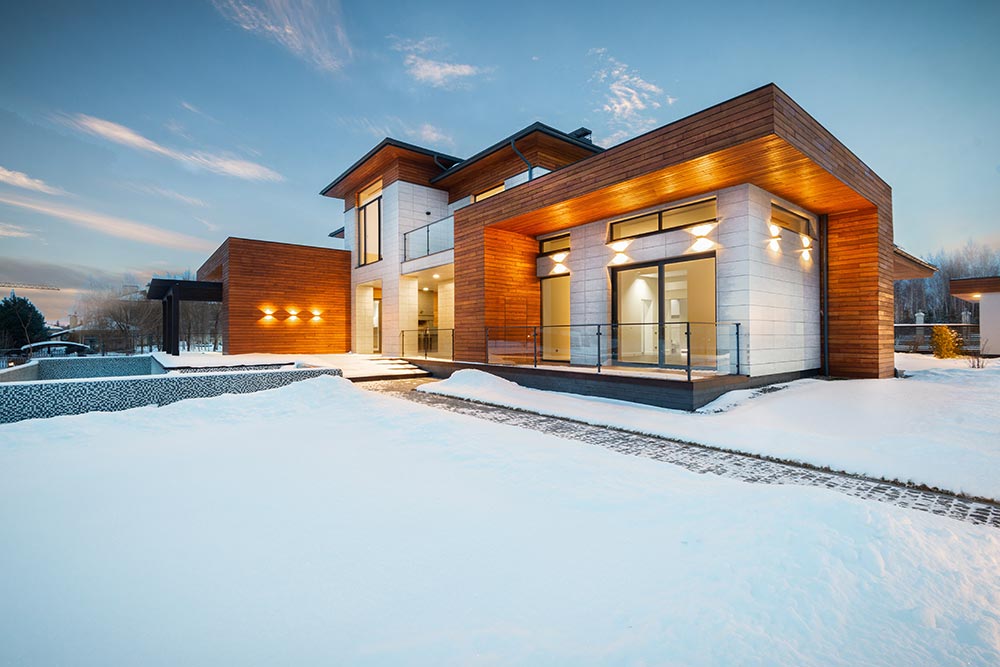
Sustainable living is no longer a niche lifestyle—it’s a practical, cost-effective, and responsible way to design and manage modern homes. With rising energy costs and growing environmental concerns, homeowners are increasingly looking for ways to reduce their footprint without sacrificing comfort or style. The good news is that sustainability can be seamlessly woven into everyday living with thoughtful choices and small, consistent changes.
Why Sustainable Living Matters in Today’s Homes
Modern homes consume significant amounts of energy, water, and materials. Adopting sustainable practices helps reduce waste, lower utility bills, and create healthier indoor environments. Beyond personal benefits, these choices contribute to long-term environmental protection and community well-being.
Energy-Efficient Home Solutions
Improving energy efficiency is one of the fastest ways to make a home more sustainable.
Upgrade to Smart Energy Systems
Smart technology allows homeowners to monitor and optimize energy use in real time. Smart thermostats, automated lighting, and energy-monitoring apps help eliminate unnecessary consumption.
Choose Energy-Efficient Appliances
When replacing appliances, look for high-efficiency models that use less electricity and water. Though they may cost more upfront, they typically pay for themselves through long-term savings.
Improve Insulation and Sealing
Proper insulation keeps indoor temperatures stable, reducing the need for excessive heating or cooling. Sealing windows, doors, and ducts prevents energy loss and improves overall comfort.
Water Conservation Practices
Water efficiency is a core pillar of sustainable living.
- Install low-flow faucets and showerheads
- Fix leaks promptly to avoid hidden water waste
- Use water-efficient washing machines and dishwashers
- Collect rainwater for outdoor use where permitted
These simple adjustments can significantly reduce household water consumption over time.
Sustainable Materials and Home Design
The materials used inside a home play a major role in sustainability.
Opt for Eco-Friendly Building Materials
Choose materials like bamboo, reclaimed wood, cork, or recycled metal. These options are durable, renewable, and often have a lower environmental impact than traditional materials.
Use Non-Toxic Paints and Finishes
Low-VOC or zero-VOC paints improve indoor air quality and reduce harmful emissions, making living spaces healthier for occupants.
Reducing Household Waste
Modern homes generate a surprising amount of waste, much of which can be avoided.
- Practice waste separation for recycling and composting
- Choose reusable products over single-use items
- Buy in bulk to minimize packaging waste
- Donate or repurpose items instead of discarding them
A mindful approach to consumption can dramatically reduce what ends up in landfills.
Renewable Energy Options for Homes
Harnessing renewable energy is a long-term investment in sustainability.
Solar Power Integration
Residential solar panels can offset a large portion of electricity use. Even partial systems help reduce reliance on non-renewable energy sources and lower monthly bills.
Explore Alternative Energy Sources
Depending on location, options like wind energy or geothermal heating may be viable and highly efficient.
Sustainable Landscaping and Outdoor Spaces
Outdoor areas also offer opportunities for eco-friendly choices.
- Plant native or drought-resistant vegetation
- Use organic fertilizers and natural pest control
- Design landscapes that require minimal watering
- Create shaded areas to naturally cool the home
Sustainable landscaping supports local ecosystems while reducing maintenance needs.
Creating a Sustainable Lifestyle at Home
True sustainability goes beyond products and systems—it’s about daily habits.
- Turn off lights and electronics when not in use
- Air-dry clothes when possible
- Cook efficiently and reduce food waste
- Educate household members on sustainable practices
Consistency in small actions leads to meaningful long-term impact.
FAQs
1. Is sustainable living expensive to implement in a modern home?
While some upgrades have upfront costs, many sustainable solutions reduce monthly expenses and offer long-term savings.
2. Can renters practice sustainable living at home?
Yes, renters can focus on energy conservation, waste reduction, reusable products, and portable efficiency upgrades.
3. How can I make my home more sustainable without renovations?
Simple changes like switching to LED bulbs, reducing water use, and minimizing waste can make a significant difference.
4. Are sustainable homes healthier to live in?
Yes, they often have better air quality, fewer toxins, and more natural materials, contributing to overall well-being.
5. How long does it take to see savings from sustainable upgrades?
Some changes show immediate savings, while larger investments like solar panels typically pay off over several years.
6. Does sustainable living affect home resale value?
Many buyers value energy-efficient and eco-friendly features, which can increase a home’s appeal and market value.
7. What is the easiest sustainable change to start with?
Reducing energy waste—such as turning off unused electronics and improving lighting efficiency—is one of the simplest starting points.
Adopting sustainable living practices in modern homes is both achievable and rewarding. With informed decisions and mindful habits, homeowners can create spaces that are efficient, comfortable, and environmentally responsible—today and for the future.
Comments are closed.