

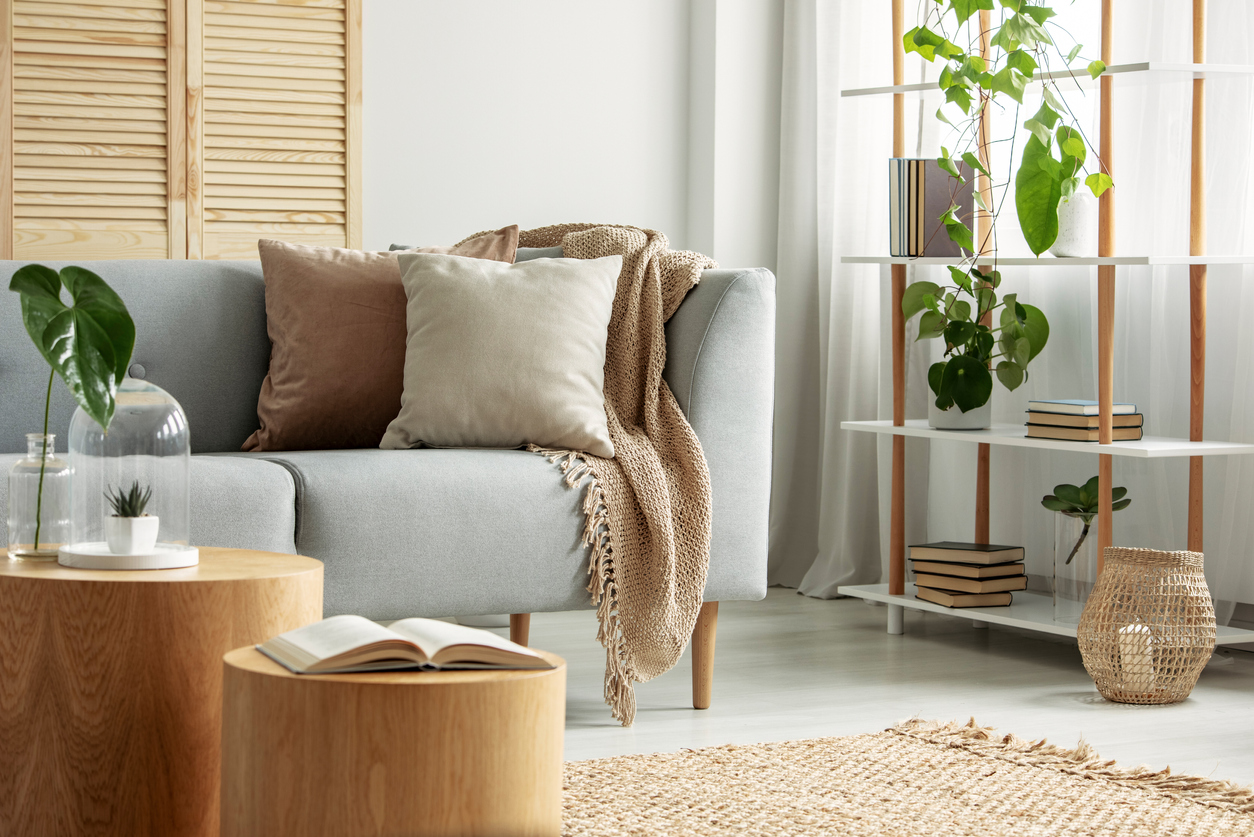
Home is more than just four walls and a roof. It is a sanctuary, a place of belonging, and a reflection of one’s personality and lifestyle. From the structure and design to the memories created within, every home tells a unique story. Creating a space that offers both comfort and functionality is at the heart of what makes a house truly feel like home.
The Concept of Home
A home is not defined solely by its architecture but also by the sense of security and warmth it provides. People seek more than shelter; they look for an environment that nurtures well-being, supports family life, and evolves with changing needs.
When establishing a home, comfort and practicality play equally important roles. The right balance ensures that spaces remain liveable, enjoyable, and capable of adapting to modern lifestyles.
Designing a Functional Home
Optimising Space
Maximising available space is essential, especially in urban settings where homes are often compact. Smart solutions such as multipurpose furniture, built-in storage, and open-plan layouts help create flow and reduce clutter.
- Fold-away tables and chairs provide flexibility for small dining areas.
- Under-stair storage transforms unused spaces into functional zones.
- Open shelving makes rooms feel larger while adding display opportunities.
Layout Matters
A thoughtful layout enhances usability. Bedrooms benefit from privacy, while living rooms work best in central locations for family interaction. Flow between areas should encourage natural movement without obstacles.
Energy Efficiency
Modern homes must also consider sustainability. Proper insulation, double-glazed windows, and energy-efficient appliances not only reduce bills but also minimise environmental impact.
The Emotional Value of Home
A home is more than furniture and décor. It is where bonds are formed and where comfort after a long day is found. Personal touches such as family photos, handmade items, or a favourite reading corner add emotional depth to a living space. This sense of belonging is what turns a house into a home.
The Role of Interior Design
Colour and Mood
Colours influence mood significantly. Warm tones bring cosiness, while neutral shades create calmness. Bold accents can energise a space without overwhelming it.
Lighting Choices
Lighting defines atmosphere. Natural light promotes positivity, while layered lighting (ambient, task, and accent) allows flexibility depending on activity and time of day.
Furnishing with Purpose
Every item in a home should have both function and meaning. Investing in timeless pieces rather than temporary trends ensures longevity and harmony.
Outdoor Spaces
A home extends beyond its interior. Gardens, patios, and balconies provide a connection with nature and opportunities for relaxation.
- Small courtyards can be enhanced with vertical gardens.
- Balconies can serve as morning coffee spots with compact seating.
- Lawns or gardens offer children and pets a safe place to play.
Technology in the Modern Home
Smart technology has redefined convenience. From intelligent lighting systems to home security controlled via smartphones, technology offers control, efficiency, and peace of mind.
- Smart thermostats help regulate temperature effectively.
- Automated security systems enhance safety.
- Voice-controlled assistants integrate entertainment, reminders, and household management seamlessly.
Maintaining a Healthy Home
A truly nurturing home is one that also supports health and wellness. Good ventilation, safe materials, and cleanliness reduce allergens and improve air quality. Incorporating indoor plants further purifies air while adding natural beauty.
Home and Lifestyle Integration
The way we design and use our homes is deeply connected to lifestyle. For families, open kitchens and communal dining spaces encourage bonding. For remote workers, a dedicated workspace ensures focus and productivity. For those who love entertaining, flexible living areas and outdoor extensions create welcoming environments.
FAQs About Home
What makes a house feel like a home?
A house becomes a home through comfort, personal touches, and the memories built within its walls. Emotional connection is key.
How can I make my small home feel larger?
Use light colours, mirrors to reflect space, and furniture that doubles as storage. Avoid heavy or oversized items that dominate the room.
Why is natural light important in a home?
Natural light improves mood, reduces the need for artificial lighting, and supports healthier living environments.
What are some affordable ways to update a home?
Fresh paint, rearranging furniture, adding plants, and updating soft furnishings such as curtains or cushions can transform a space without major costs.
How does technology improve home living?
Technology adds convenience, improves safety, and enhances energy efficiency. Smart devices allow homeowners to manage their spaces more effectively.
What role does colour play in interior design?
Colour sets the tone of a room. While soft neutrals promote calmness, brighter shades bring vibrancy. The right palette creates harmony.
Can outdoor areas be functional in small homes?
Yes, even small balconies or patios can be designed as functional retreats with compact furniture, greenery, and creative layouts.
Comments are closed.