

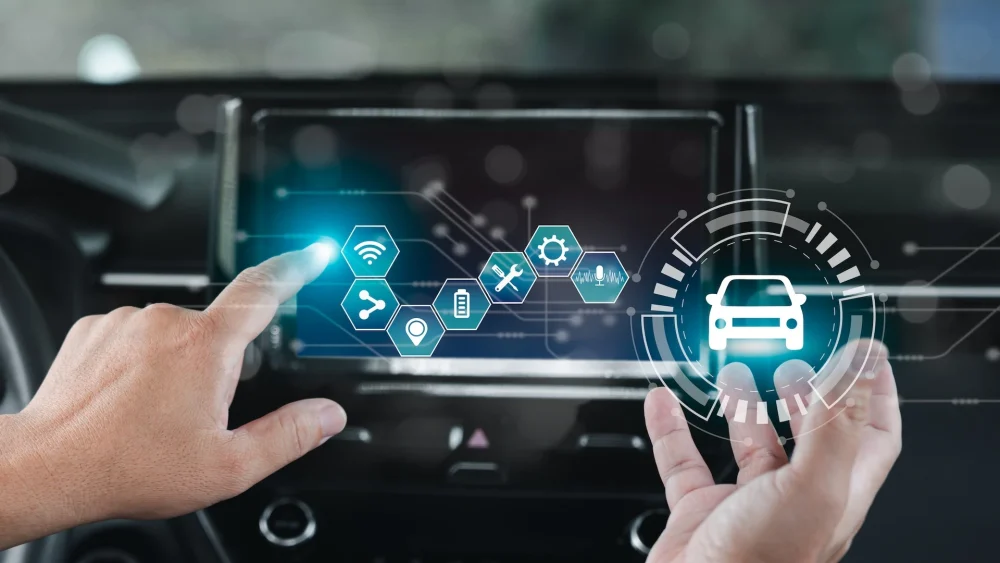
The automobile industry is at a turning point, with technology, sustainability, and consumer needs reshaping the future of transportation. From electric vehicles to connected smart cars, the way we view auto has changed significantly, and the changes are only accelerating. Understanding these transformations is crucial for drivers, manufacturers, and policymakers who are preparing for the next chapter in mobility.
Evolution of the Automobile Industry
Since the invention of the internal combustion engine, the auto sector has been a driver of economic and cultural development. For decades, cars symbolised independence and progress. Today, however, new priorities are shaping the industry:
-
Sustainability: Reducing emissions and moving away from fossil fuels.
-
Technology integration: Incorporating digital tools, AI, and automation.
-
Consumer demand: Growing interest in cost efficiency, safety, and eco-friendliness.
-
Regulation: Governments worldwide tightening environmental laws.
Electric Vehicles: The Cornerstone of Modern Auto
Electric vehicles (EVs) are no longer a futuristic concept but an established part of the global car market. Their benefits include:
-
Zero tailpipe emissions, contributing to cleaner cities
-
Lower running costs compared with petrol and diesel cars
-
Government incentives and tax breaks in many regions
-
Expanding charging infrastructure making EVs more practical
Challenges still exist, such as the cost of batteries and charging times. Yet, advances in battery chemistry and mass production are steadily overcoming these barriers.
Autonomous Driving and AI Integration
Autonomous driving technology is another revolution in the auto industry. While full self-driving cars are not yet mainstream, elements of automation are already widespread, such as:
-
Adaptive cruise control for safer long-distance travel
-
Lane-keeping systems to reduce accidents caused by drifting
-
Parking assist that simplifies urban driving
-
Predictive AI systems analysing data to prevent collisions
These advancements are setting the stage for vehicles that may one day eliminate human error entirely, which is responsible for most road accidents.
Connected Cars and Smart Features
The auto of today is as much about connectivity as it is about horsepower. Cars are increasingly being designed as mobile devices on wheels. Features include:
-
In-car entertainment linked with smartphones
-
Real-time navigation using live traffic data
-
Vehicle-to-vehicle (V2V) communication to prevent collisions
-
Integration with smart homes, allowing drivers to control lights or heating from their car
This connected ecosystem enhances convenience, but it also raises questions about data privacy and cybersecurity.
Green Manufacturing and Circular Economy
The transformation of the auto sector goes beyond vehicles themselves. Manufacturers are rethinking how cars are built and recycled. Sustainable practices include:
-
Using recycled materials in interiors and exteriors
-
Designing vehicles with easier dismantling for recycling
-
Switching factories to renewable energy sources
-
Minimising water and chemical waste in production
Such initiatives help align auto manufacturing with global climate goals.
The Rise of Shared Mobility
Younger generations are moving away from traditional car ownership in favour of shared and flexible mobility solutions. Car-sharing, ride-hailing, and subscription models are becoming mainstream. The advantages are:
-
Lower personal costs compared to owning a vehicle
-
Reduced congestion in urban areas
-
More efficient use of vehicles, lowering overall emissions
This shift reflects how the meaning of auto is evolving, from a personal possession to a shared service.
Impact of Policy and Regulation
Governments play a crucial role in shaping the future of auto. Many have set deadlines for phasing out new petrol and diesel cars. Incentives such as grants for EVs and stricter emission tests are accelerating the transition. Additionally, investment in charging networks and public transport ensures a smoother shift toward sustainable mobility.
Consumer Trends Shaping Auto
Modern drivers expect more from vehicles than just transport. They demand:
-
Affordability: Lower fuel and maintenance costs.
-
Safety: Advanced driver assistance systems (ADAS).
-
Personalisation: Customisable digital dashboards and controls.
-
Sustainability: Preference for eco-friendly models.
Brands that meet these expectations are more likely to thrive in the evolving market.
The Role of Data in Modern Automobiles
Data has become a vital resource for automakers. Cars today generate vast amounts of information that can be used for:
-
Monitoring driver behaviour for insurance adjustments
-
Predictive maintenance to reduce breakdowns
-
Traffic optimisation through shared city data
-
Developing better, safer vehicle designs
The challenge lies in balancing innovation with user privacy and data protection.
Future Technologies in Auto
The future of auto promises innovations that will reshape how we drive and interact with vehicles. These include:
-
Solid-state batteries offering longer range and faster charging
-
Hydrogen fuel cells for heavy-duty and long-range travel
-
Augmented reality dashboards displaying real-time information
-
Smart tyres with sensors monitoring wear and pressure
These technologies may seem futuristic, but many are already under development and approaching commercial rollout.
Frequently Asked Questions
Will petrol and diesel cars disappear completely?
Not immediately. While many countries are planning bans on new combustion engine cars by 2035, existing vehicles will remain in use for years. However, the market will steadily shift towards electric and alternative fuel vehicles.
Are electric cars cheaper to maintain?
Yes. EVs have fewer moving parts compared with traditional engines, which means lower servicing costs. Brake wear is also reduced due to regenerative braking systems.
How safe are autonomous vehicles?
Current autonomous features are designed to assist, not replace, drivers. While full self-driving technology is being tested, it will take time before widespread adoption is considered safe and regulated.
What is the biggest challenge for electric vehicles today?
Battery technology remains the main challenge, particularly in achieving higher ranges and reducing charging times. However, ongoing research is addressing these issues rapidly.
Do shared mobility options really reduce traffic?
Yes, when widely adopted. By reducing the number of privately owned cars on the road, shared mobility can decrease congestion and lower carbon emissions in urban areas.
Comments are closed.