

Blocked drains are a common household issue, but figuring out whether you can fix it yourself – or if it needs professional attention – isn’t always straightforward. While some blockages can be cleared with basic tools and a little patience, others may be signs of deeper structural problems that require expert equipment and knowledge.
In this guide, we’ll explain what types of drain issues can be safely tackled with a DIY approach, when it’s time to call in a drainage engineer, and what risks you should be aware of if you try to do too much yourself.
Signs of a Minor Drain Blockage
Not all blockages are serious. Some are caused by everyday build-up and are relatively easy to fix if caught early. Signs of a minor blockage include:
- Slow-draining water in sinks or showers
- Gurgling sounds from plugholes
- Unpleasant smells around kitchen or bathroom drains
- Water rising slowly before draining
If only one fixture is affected (e.g., your kitchen sink), the blockage is likely localised and could be manageable without professional intervention.
DIY Methods That Are Generally Safe
Boiling Water and Dish Soap
Perfect for greasy kitchen sinks. Boiling water helps melt fat deposits, while soap helps move them along. This method works best for partial blockages.
Baking Soda and Vinegar
A classic DIY remedy. Pour half a cup of baking soda followed by half a cup of vinegar down the drain, then plug it and wait 30 minutes before flushing with hot water.
Plungers
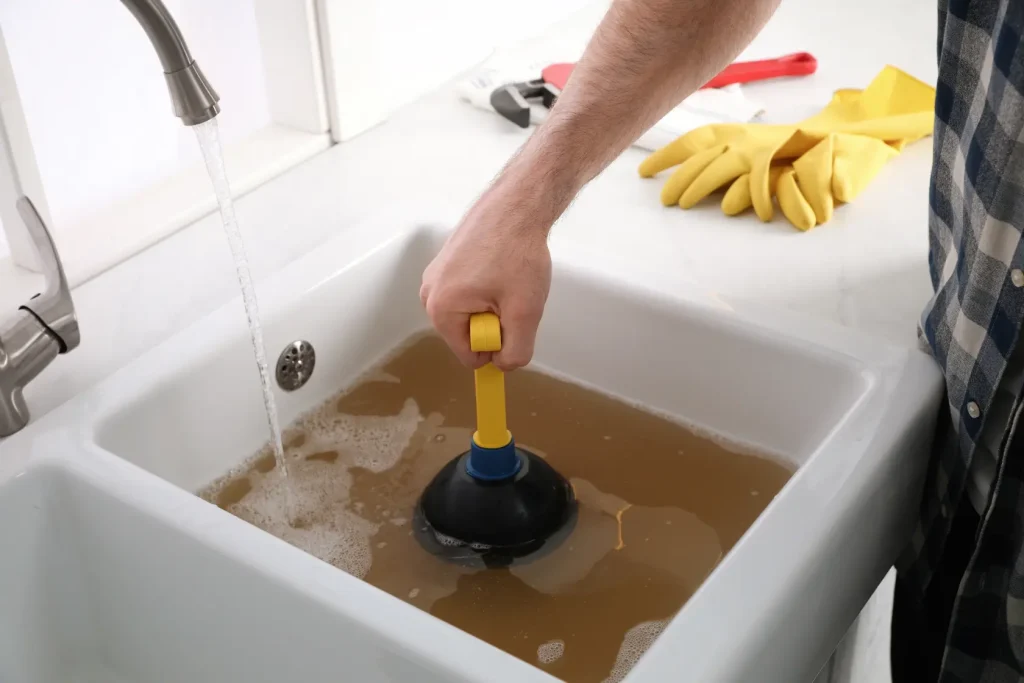
A basic plunger can be highly effective, especially for sinks and toilets. Use a good seal and steady pressure to dislodge the blockage.
Drain Rods
If you have access to an outdoor drain, drain rods can help clear blockages in external pipes. Always rotate clockwise to avoid unscrewing the rods inside the pipe.
When DIY Isn’t Enough: Signs of a Serious Problem
If your efforts haven’t worked – or the problem keeps coming back – it’s likely more than just a surface-level blockage. Here are clear signs that professional help is needed:
- Multiple slow-draining fixtures (e.g., sinks, toilets, showers all affected)
- Overflowing drains or gullies outside
- Water backing up into the bath or toilet
- Persistent foul smells even after clearing
- Visible sewage or flooding
These symptoms often point to blockages deep in the main drainage system or even pipe damage, such as cracks or root ingress.
Risks of Going Too Far with DIY
Trying to fix deeper drainage issues without the right equipment or experience can cause more harm than good:
- Pushing the blockage further down the system can make it harder to remove
- Damaging pipe walls or joints with rods or pressure washers can lead to leaks or collapse
- Misidentifying the issue, such as mistaking a collapsed pipe for a simple clog, can delay necessary repairs
- Health risks from contact with wastewater or sewage if PPE isn’t used
Drainage systems are complex and hidden from view – what seems like a quick fix can spiral into a bigger issue if mishandled.
What Professionals Bring to the Table
Professional drainage engineers have tools that most homeowners don’t – including high-pressure water jetting systems and CCTV cameras that allow them to inspect pipe interiors without digging.
They can quickly identify whether the blockage is due to build-up, a foreign object, or structural damage. More importantly, they know how to fix it permanently and safely.
With years of experience in local homes and commercial properties, specialists can advise on long-term solutions, such as installing access chambers, relining cracked pipes, or replacing sections of drain if needed.
If you’re unsure where to turn, it’s usually best to get help with blocked drains before the situation worsens.
Prevention Is Better Than Cure
Whether or not you handle a blockage yourself, preventing future problems is key. Here are some simple tips to maintain healthy drains:
- Don’t pour fat, oil, or grease down the sink
- Use sink strainers to catch food scraps and hair
- Avoid flushing wipes, cotton wool, or sanitary products
- Rinse bathroom drains with hot water and soap periodically
- Get your drains professionally inspected every few years
Know Your Limits with DIY Drain Clearing
DIY drain unblocking can work well for minor clogs, but knowing when to stop is just as important as knowing when to start. Attempting to fix deeper issues without the right tools or training can result in long-term damage and higher costs.
If your drains are slow, smelly, or repeatedly backing up, don’t wait for a full-blown emergency. It’s far safer – and often more cost-effective – to get help with blocked drains from a professional before the situation escalates.
Comments are closed.