

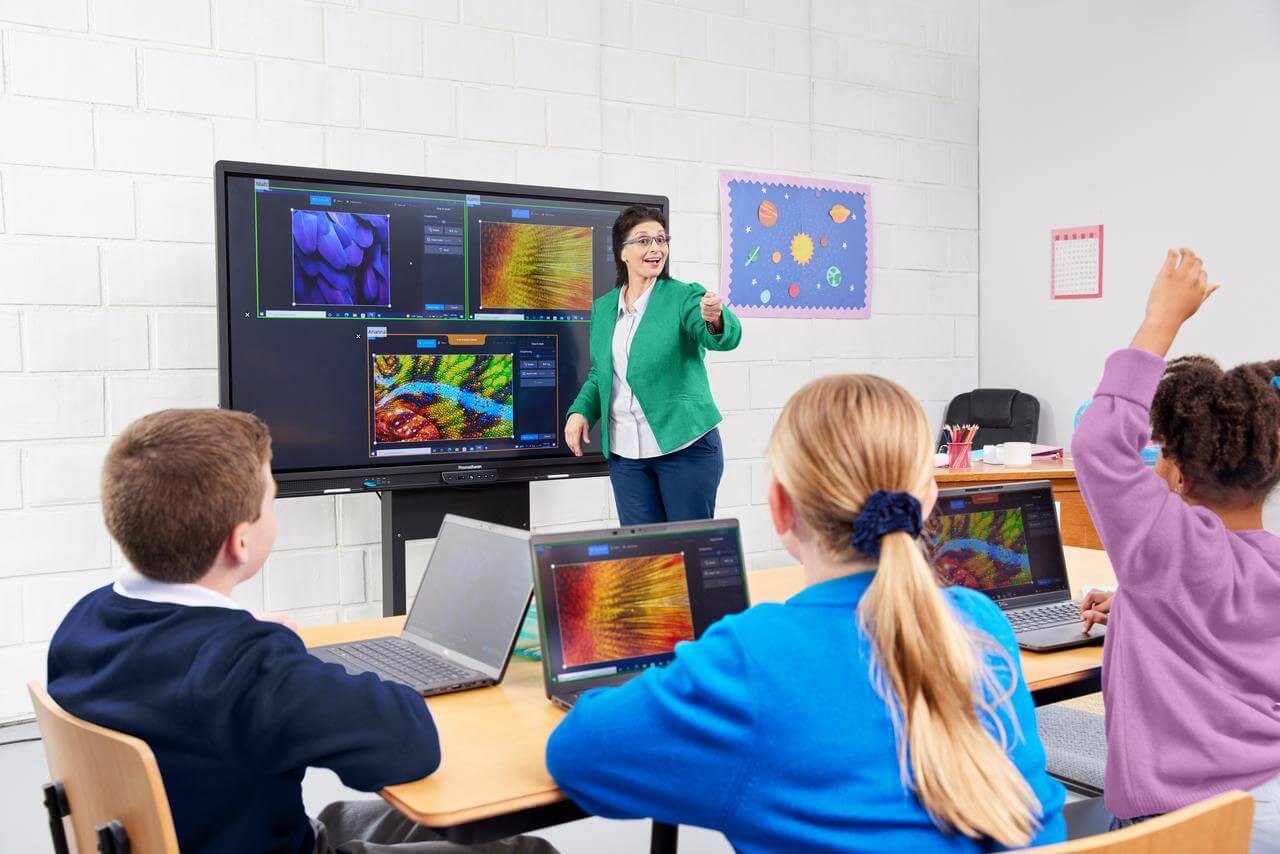
Digital classrooms are no longer a temporary solution or a futuristic concept. They are now a core part of modern education. While technology enables access, flexibility, and scale, teachers remain the most critical factor in successful digital learning environments. Their role has evolved—but it has not diminished.
How Teaching Has Changed in the Digital Era
In traditional classrooms, teachers were often the primary source of information. In digital classrooms, information is everywhere. This shift changes the teacher’s role from content delivery to learning facilitation and guidance.
Teachers now focus on:
- Helping students navigate digital resources effectively
- Encouraging critical thinking rather than memorization
- Creating structure in an otherwise flexible learning environment
The emphasis moves from “teaching content” to supporting learning processes.
Teachers as Learning Facilitators
In digital classrooms, students learn at different speeds and through different formats. Teachers act as facilitators who guide learners through personalized pathways.
Key responsibilities include:
- Clarifying complex concepts using multiple formats
- Encouraging discussion and collaboration
- Supporting students who struggle with self-paced learning
A strong facilitator ensures no student feels isolated behind a screen.
Managing Engagement in Virtual Spaces
One of the biggest challenges of digital learning is maintaining attention and motivation. Teachers play a vital role in keeping students engaged.
Effective engagement strategies include:
- Interactive discussions and live sessions
- Project-based and collaborative activities
- Timely feedback that reinforces progress
Engagement is not accidental—it is intentionally designed by the teacher.
Supporting Digital Literacy and Responsible Use
Digital classrooms require more than subject knowledge. Students must learn how to use technology responsibly and effectively.
Teachers help students:
- Evaluate online information critically
- Understand digital etiquette and academic integrity
- Develop safe and ethical online habits
This guidance is essential for long-term academic and professional success.
Personalizing Learning Experiences
Technology enables personalization, but teachers make it meaningful. Data alone does not understand emotions, motivation, or context.
Teachers personalize learning by:
- Adjusting instruction based on student progress
- Offering additional support or challenges when needed
- Recognizing individual strengths and learning styles
Human judgment remains irreplaceable in personalized education.
Providing Emotional and Academic Support
Digital classrooms can feel isolating, especially for younger learners. Teachers serve as anchors of stability and encouragement.
Their role includes:
- Building trust and rapport in virtual environments
- Identifying disengagement or burnout early
- Encouraging confidence and resilience
Emotional support is just as important as academic instruction.
Adapting Assessment and Feedback Methods
Traditional exams are not always effective in digital settings. Teachers adapt assessments to measure understanding more authentically.
Common approaches include:
- Open-ended assignments and projects
- Continuous formative assessments
- Constructive, timely feedback
Feedback helps students reflect, improve, and stay motivated.
Collaborating with Parents and Institutions
In digital classrooms, teachers often interact more closely with parents and school administrators.
They contribute by:
- Communicating expectations clearly
- Sharing progress and challenges transparently
- Aligning digital instruction with institutional goals
This collaboration strengthens the overall learning ecosystem.
Challenges Teachers Face in Digital Classrooms
Despite the benefits, digital teaching comes with challenges:
- Increased workload and screen fatigue
- Technical issues and unequal access
- Balancing flexibility with accountability
Recognizing these challenges is essential for supporting teachers effectively.
Why Teachers Remain Irreplaceable in Digital Education
Technology delivers content, but teachers deliver understanding, motivation, and connection. Digital tools enhance education, but they do not replace the human element.
Successful digital classrooms depend on teachers who can blend pedagogy, technology, and empathy into a cohesive learning experience.
FAQs
How does a teacher’s role differ in a digital classroom compared to a traditional one?
Teachers shift from primarily delivering content to facilitating learning, guiding students, and supporting engagement.
Are teachers still necessary when students have access to online resources?
Yes. Teachers help students interpret information, stay motivated, and develop critical thinking skills.
What skills do teachers need for digital classrooms?
Digital literacy, adaptability, communication skills, and the ability to design engaging online learning experiences.
How do teachers manage student engagement online?
Through interactive activities, discussions, timely feedback, and consistent communication.
Can digital classrooms support all types of learners?
With thoughtful design and teacher involvement, digital classrooms can support diverse learning styles and needs.
What challenges do teachers face in online teaching?
Common challenges include technology issues, maintaining engagement, and balancing workload.
How can schools better support teachers in digital environments?
By providing training, reliable technology, clear expectations, and emotional support.
The digital classroom is powered by technology—but it is shaped by teachers. Their evolving role ensures that learning remains meaningful, inclusive, and human in an increasingly digital world.
Comments are closed.