

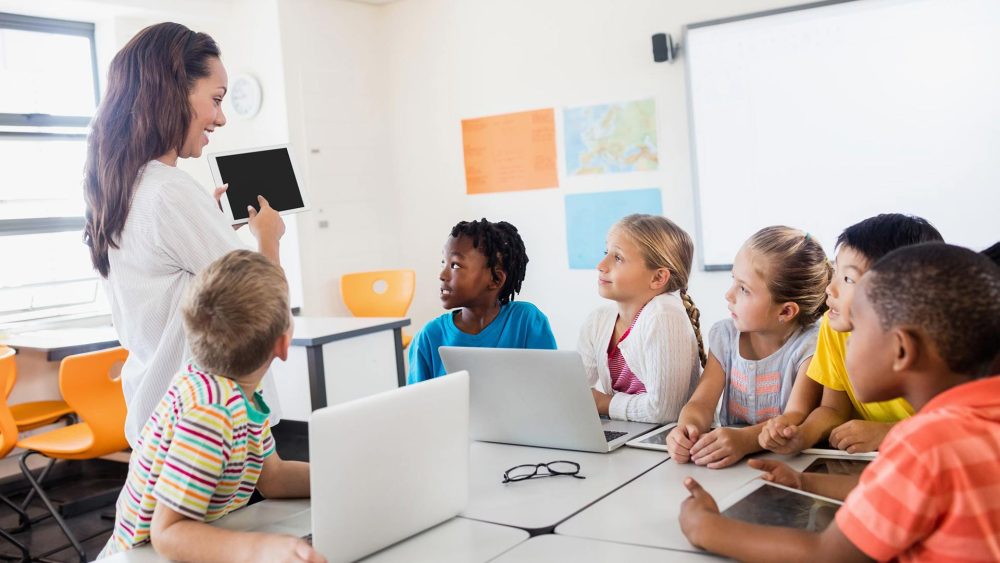
Education has long been recognised as the foundation of personal growth, social development and economic prosperity. It is not just about acquiring knowledge but about shaping individuals who can contribute meaningfully to their communities. In today’s interconnected world, the role of education has expanded further, encompassing digital literacy, critical thinking and adaptability. Understanding its significance helps us appreciate why nations invest heavily in educational systems and why individuals strive for lifelong learning.
The Purpose of Education
At its core, education aims to equip individuals with the tools to navigate life successfully. This involves much more than textbooks and examinations. It nurtures intellectual curiosity, develops moral values and cultivates essential life skills.
Education has three major purposes:
-
Personal Development: Encouraging self-awareness, creativity and confidence.
-
Social Responsibility: Preparing citizens who value equality, justice and respect.
-
Economic Growth: Building a skilled workforce capable of driving innovation.
By balancing these dimensions, education becomes a vehicle for empowerment, enabling people to reach their potential and improve the quality of life for others.
Different Forms of Education
Education does not exist solely within classrooms. It takes multiple forms that complement each other.
Formal Education
This is the structured learning that occurs in schools, colleges and universities. It is guided by curricula, professional teachers and recognised qualifications. Formal education provides a standard foundation in literacy, numeracy, sciences and the arts.
Informal Education
Learning is not confined to institutions. Everyday experiences, family teachings and cultural practices contribute to informal education. For example, learning problem-solving through games or acquiring financial skills by managing a household budget are practical forms of informal learning.
Non-Formal Education
This involves organised learning outside the traditional system, such as vocational training, online courses and adult education programmes. Non-formal education plays a crucial role in skill development for those seeking to enhance or shift their careers.
Education and Social Equality
Education acts as a bridge towards equality. Access to quality learning opportunities reduces social divides by empowering disadvantaged communities. When every child has the chance to attend school regardless of background, society takes a step closer to fairness.
However, inequalities remain due to:
-
Geographic barriers in rural regions
-
Economic hardships preventing families from affording schooling
-
Gender-based discrimination in some societies
-
Digital divides limiting access to online education
Addressing these barriers requires investment in infrastructure, scholarships, community outreach and inclusive policies.
The Role of Technology in Education
Modern education is inseparable from technology. Digital platforms allow learning to extend beyond classrooms, making knowledge more accessible and personalised.
Key benefits of technology include:
-
Accessibility: Online learning provides opportunities for remote learners and working adults.
-
Interactive Tools: Virtual simulations and digital whiteboards enhance engagement.
-
Personalisation: Adaptive learning systems tailor lessons to individual progress.
-
Collaboration: Platforms connect learners globally, fostering cultural exchange.
Nevertheless, reliance on technology also highlights inequalities, as not everyone has reliable internet access or digital devices.
Lifelong Learning and Career Development
Education is no longer confined to youth. The fast-changing nature of work demands continuous learning. Lifelong education ensures individuals remain relevant in evolving industries and can adapt to new roles.
Examples of lifelong learning include:
-
Upskilling through professional courses
-
Online certifications in emerging fields
-
Community workshops on personal finance or digital skills
-
Self-directed study through books, podcasts and tutorials
This flexible approach to learning empowers individuals to change career paths, develop entrepreneurial skills and remain resilient in uncertain job markets.
Cultural Impact of Education
Education is not just a tool for employment; it also shapes cultural understanding and identity. Schools and universities expose learners to literature, history, philosophy and the arts, broadening their appreciation of diversity.
Through cultural education:
-
Societies preserve traditions and heritage.
-
Individuals learn to respect differences.
-
Communities strengthen social cohesion.
When education promotes cultural exchange, it contributes to global peace and cooperation.
The Future of Education
As the world evolves, education systems must adapt. Future learning environments will likely focus on:
-
Blended learning models combining physical and digital spaces
-
Skills-based assessments over memorisation
-
Emphasis on emotional intelligence and creativity
-
Environmental education addressing climate challenges
-
Stronger integration of artificial intelligence in teaching methods
The future of education lies in flexibility, inclusivity and innovation, ensuring no one is left behind.
FAQs on Education
Why is education considered a human right?
Education empowers individuals to participate fully in society, improves quality of life and is recognised internationally as a basic human right that governments are obliged to protect.
How does education influence health?
Educated individuals are more likely to understand healthcare information, make informed decisions and adopt healthier lifestyles, leading to longer life expectancy.
What role do parents play in education?
Parental involvement shapes attitudes towards learning. Support at home, encouragement to read and engagement in school activities significantly boost children’s performance.
Can online education replace traditional schooling?
While online platforms provide flexibility and access, they cannot entirely replace the social interaction, mentorship and hands-on experiences that traditional schooling offers. A blended model is often the most effective.
What is the importance of critical thinking in education?
Critical thinking encourages independent thought, problem-solving and informed decision-making. These skills are essential not only in academic contexts but also in daily life and professional environments.
How does education contribute to economic development?
A well-educated workforce enhances productivity, innovation and competitiveness, which attracts investment and drives sustainable economic growth.
Comments are closed.