

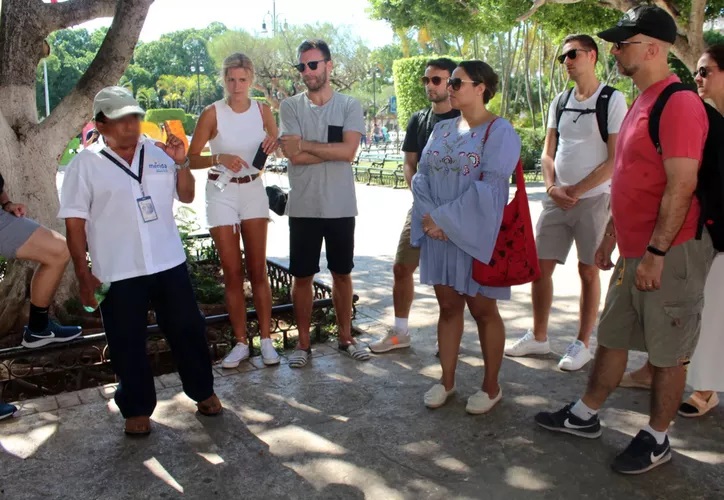
The role of a tour guide is far more than escorting travellers from one landmark to another. A skilled guide creates experiences that leave lasting memories, offering insight, comfort, and entertainment throughout a journey. Whether it is a day tour through historic streets or a week-long adventure in the wilderness, the guide is the person who makes destinations come alive.
Understanding the Role of a Tour Guide
Tour guides act as both educators and hosts, ensuring that each journey is smooth, safe, and enriching. They represent the destination, bridging cultural gaps and giving context to what visitors see and experience.
Main responsibilities
-
Welcoming groups and setting expectations for the trip
-
Sharing accurate, engaging information about locations
-
Managing logistics such as timings and routes
-
Providing safety instructions and first aid when needed
-
Answering questions and resolving challenges promptly
Every tour guide is expected to deliver not just information but also hospitality, making travellers feel at ease in unfamiliar surroundings.
Essential Qualities of a Tour Guide
To stand out in this competitive field, a guide needs a mix of personality, knowledge, and adaptability.
Communication
Clear and expressive communication helps travellers absorb complex historical or cultural details. Guides must balance professionalism with friendliness.
Confidence and leadership
Tourists look to the guide for direction and assurance. Leadership skills are critical when handling large groups or high-pressure situations.
Storytelling
The most memorable tours are those that combine facts with personal stories, myths, and humour, turning ordinary sights into extraordinary experiences.
Patience and empathy
Travelling can be stressful for visitors. A guide who remains patient with questions, delays, or difficult travellers helps keep the group atmosphere positive.
Flexibility
Weather, transport issues, or sudden closures often disrupt plans. Guides who adapt quickly ensure tours remain enjoyable despite obstacles.
Training and Pathways into Tour Guiding
Starting a career in guiding often involves a combination of training, certification, and practical experience.
-
Licensing: In many countries, an official license is required to operate legally.
-
Courses: Subjects include history, geography, art, communication, and first aid.
-
Workshops: Hands-on training in storytelling, safety drills, and public speaking.
-
Volunteering: Assisting experienced guides or working at museums helps build confidence.
Gaining practical exposure early allows guides to polish their skills before leading independent groups.
Different Types of Tour Guides
The profession offers many niches, making it suitable for diverse interests.
-
Cultural guides: Focus on food, festivals, and traditions
-
Adventure guides: Lead trekking, climbing, or water-based tours
-
Historical guides: Specialise in heritage sites and ancient landmarks
-
Wildlife guides: Educate visitors on flora, fauna, and conservation efforts
-
Transport guides: Lead long-distance coach, train, or cruise ship tours
Each type of guide requires specific knowledge, whether about art, nature, or adventure safety.
Challenges in Tour Guiding
While the role is fulfilling, it comes with daily challenges.
-
Unpredictable schedules: Peak seasons require long hours and weekend work
-
Dealing with mixed groups: Travellers often come from varied cultural and linguistic backgrounds
-
Weather and environmental factors: Outdoor tours depend heavily on conditions
-
Maintaining energy: Guiding requires enthusiasm, even on repetitive routes
A successful guide balances professionalism with resilience to overcome these obstacles.
Benefits of Being a Tour Guide
Despite the demands, the profession offers unique rewards that few careers can match.
-
Opportunities to travel while being paid
-
Meeting people from around the world and building cultural understanding
-
Developing personal confidence and public speaking skills
-
Creating experiences that leave lasting impressions on others
Many guides find deep satisfaction in knowing they contribute to someone’s happiest memories.
Tools and Technology for Modern Tour Guides
Technology plays an important role in today’s guiding profession, helping improve communication and efficiency.
-
Audio headsets: Allow guides to be heard clearly in noisy environments
-
Apps and maps: Provide real-time navigation and translation support
-
Online bookings: Simplify reservations and payments
-
Virtual tours: Extend guiding services beyond physical travel
Modern guides who embrace digital tools stay ahead in the industry.
Career Development and Opportunities
Guiding can be a lifelong profession or a stepping stone to broader travel and cultural careers.
Employment options
-
Independent freelancers: Control their own schedule and tours
-
Travel agencies and tour companies: Offer structure and stability
-
Museums, parks, and cultural institutions: Provide specialisation opportunities
Career progression
With experience, guides often move into management roles, create travel content, or train future guides.
Tips for Becoming a Memorable Guide
-
Learn to read your audience and adjust your style accordingly
-
Keep information fresh and updated with new research or anecdotes
-
Involve tourists with questions, quizzes, or hands-on activities
-
Always carry essentials such as water, maps, and first-aid supplies
A guide who creates personal connections and adapts tours to suit each group will always stand out.
Frequently Asked Questions
Do tour guides always need certification
In many destinations, yes. Certification ensures safety and professionalism, though requirements vary between countries.
Can a tour guide specialise in multiple areas
Yes, many guides combine niches, such as cultural and food tours, or historical and architectural tours, to widen their appeal.
What is the earning potential of a tour guide
Income varies based on location, type of tours, and whether the guide works independently or with a company. Seasonal demand also plays a major role.
How do guides manage large groups effectively
Using clear communication, audio systems, and planned meeting points helps maintain order while keeping tours enjoyable.
Is guiding a sustainable long-term career
Yes, especially for those who diversify skills, specialise in growing markets like eco-tourism, or expand into training and digital guiding.
Comments are closed.