

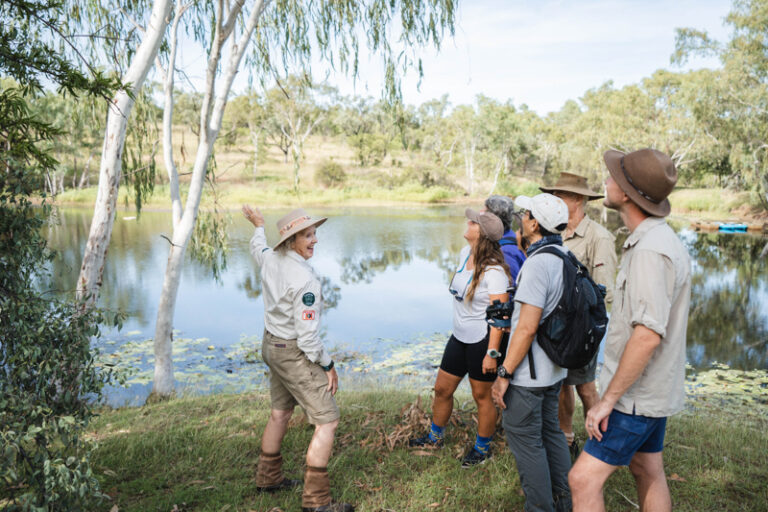
A tour guide is more than someone who shows travellers around. They are storytellers, cultural ambassadors, and problem solvers who create unforgettable experiences. Choosing this career path can be rewarding, adventurous, and filled with opportunities for personal growth. To thrive in this profession, you need much more than a knowledge of landmarks; you must develop skills, understand traveller psychology, and maintain a passion for people and places.
What Does a Tour Guide Do
A tour guide is responsible for leading individuals or groups to destinations, sharing historical, cultural, and practical information along the way. Their main role is to provide accurate knowledge while ensuring safety and engagement.
Core responsibilities
-
Conducting tours: Leading groups around attractions, museums, or cities
-
Storytelling: Turning facts into engaging narratives that capture imagination
-
Ensuring safety: Keeping groups together, managing logistics, and addressing emergencies
-
Customer service: Handling questions, complaints, and providing assistance
-
Cultural interpretation: Helping travellers understand local customs and traditions
The keyword tour guide often reflects not only the role itself but also the idea of being a cultural bridge between travellers and destinations.
Key Skills Every Tour Guide Needs
Success in this field depends on combining practical knowledge with strong interpersonal abilities.
Communication skills
Guides must explain complex history or cultural context in simple, engaging language. Clear speech, appropriate humour, and adaptability to different audiences are essential.
Storytelling
Facts alone rarely inspire. A guide who weaves local myths, anecdotes, and personal insights keeps travellers captivated.
Problem-solving
Unexpected events are common: bad weather, transport delays, or lost items. A calm, resourceful guide can turn challenges into smooth experiences.
Leadership
Managing large groups requires authority and empathy. Guides must balance control with friendliness to ensure smooth coordination.
Cultural sensitivity
Understanding the values and behaviours of both locals and tourists prevents misunderstandings and creates respectful experiences.
How to Become a Tour Guide
While enthusiasm is important, professional preparation helps you stand out in the industry.
Training and certification
-
Many countries require official licenses to operate legally.
-
Short courses often cover history, geography, customer service, and first aid.
-
Advanced certifications, such as heritage or eco-tourism guiding, open specialised opportunities.
Practical experience
-
Volunteering at museums or historical sites
-
Assisting senior guides during busy seasons
-
Practising storytelling with small groups
Knowledge building
Guides must stay updated with local news, new attractions, and changing travel regulations.
Types of Tour Guides
Tour guiding is a diverse field, with different niches suited to varying interests and skills.
-
City guides: Focus on urban history, architecture, and culture
-
Museum guides: Provide deep insights into art, history, or science collections
-
Adventure guides: Lead outdoor activities such as hiking, rafting, or safaris
-
Cultural guides: Specialise in festivals, food tours, or traditional rituals
-
Wildlife guides: Educate tourists about nature and conservation efforts
Challenges of Being a Tour Guide
While rewarding, the role comes with unique difficulties.
Irregular schedules
Tourism peaks during holidays, requiring long hours and weekend shifts.
Language barriers
Not all tourists speak the same language, so patience and simple communication methods are crucial.
Dealing with difficult travellers
Guides may face guests who are demanding, uninterested, or disruptive. Professionalism helps maintain group harmony.
Weather and environment
Outdoor tours are highly dependent on weather, which can affect schedules and traveller satisfaction.
Benefits of Being a Tour Guide
Despite challenges, many find the profession deeply fulfilling.
-
Cultural exchange: Meeting people from across the globe
-
Personal growth: Building confidence, patience, and public speaking skills
-
Travel opportunities: Exploring new places while being paid
-
Job satisfaction: Seeing travellers smile after a memorable experience
Tools and Technology for Modern Tour Guides
Modern guiding is enhanced by digital resources that improve efficiency and engagement.
-
Audio headsets: Allow groups to hear clearly without shouting
-
Smartphone apps: Provide maps, translations, and booking details
-
Social media: Helps promote tours and build a professional presence
-
Virtual tours: Enable guides to reach audiences online when physical travel is not possible
Building a Career as a Tour Guide
Those who treat guiding as a long-term career can develop multiple income streams.
Freelancing vs employment
-
Freelancers enjoy flexibility and independence but must handle marketing and bookings.
-
Employed guides benefit from stability and training provided by tour companies.
Career progression
Experienced guides often move into training new guides, writing travel books, or creating digital travel content.
Specialisation
Eco-tourism, luxury travel, and niche cultural experiences are growing markets that demand expert guides.
Tips for Becoming a Memorable Tour Guide
Standing out in this profession requires more than knowledge.
-
Personal touch: Share your own experiences or favourite spots
-
Interactive tours: Ask questions and encourage participation
-
Adaptability: Adjust to different age groups and cultural backgrounds
-
Professional appearance: Dress appropriately and carry essential items such as maps or first-aid kits
Frequently Asked Questions
Do tour guides need to speak multiple languages
Not always, but being bilingual or multilingual significantly increases opportunities, especially in international tourism hubs.
Can tour guides work part-time
Yes, many guides work seasonally or part-time, especially during peak holiday periods.
Is it possible to earn a good living as a tour guide
Earnings vary widely. City or cultural guides may earn steady income, while adventure or luxury guides can command higher rates. Tips often supplement wages.
What qualifications are needed to become a guide
This depends on the country. Some require official licenses, while others focus on training courses, practical experience, and local knowledge.
How do guides handle emergencies
Trained guides usually hold first-aid certificates and have clear protocols for accidents, lost travellers, or sudden health issues.
Comments are closed.